Is Fission Or Fusion Used In Nuclear Power Plants . Nuclear fusion, as you might already know, is the opposite of nuclear fission. Fission is used in nuclear power reactors since it can be controlled, while fusion is not utilized to produce power since the reaction is not easily controlled and is expensive to create the needed conditions for a fusion reaction. How Do Nuclear Power Plants Work? Main Components of the from newsstellar.com Fission is used in nuclear power reactors since it can be controlled, while fusion is not utilized to produce power since the reaction is not easily controlled and is expensive to create the needed conditions for a fusion reaction. Research continues into ways to better harness the power of fusion, but research is in experimental stages. The heat source in the nuclear power plant is a nuclear reactor.
Is A Lion's Mane Jellyfish Poisonous. Poisonous would mean you would get sick if you ate it, but venomous means it delivers toxins through its stinging cells. What do you do if you get stung by a lion’s mane jellyfish?
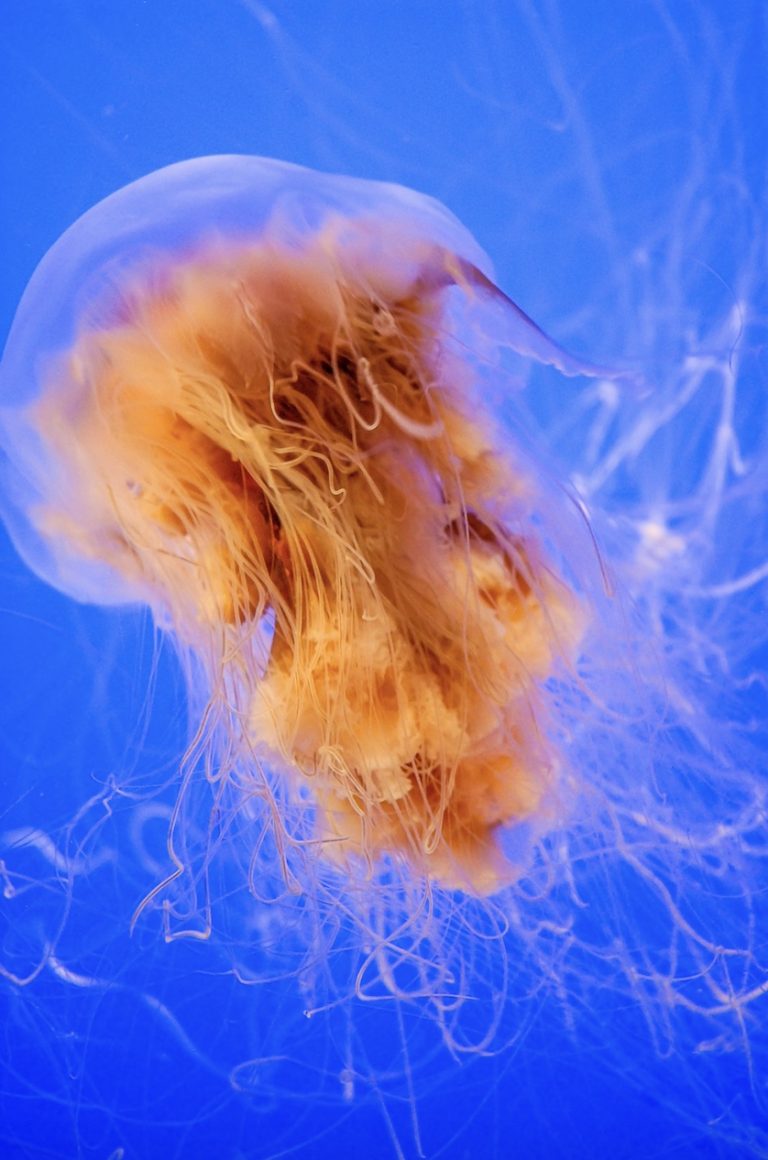
Do Lion's Mane Jellyfish Sting? American Oceans from www.americanoceans.org
17 can i eat lion’s mane mushroom? The lion’s mane jellyfish is a rare sight in the united kingdom and ireland. 19 is the lion’s mane jellyfish bigger.
Many People Are Stung By Lion's Mane Jellyfish During The Summer, But Encounters With This Jellyfish In Norway Are Usually More Unpleasant Than Dangerous.
While the sting of a lion’s mane jellyfish isn’t poisonous, it can cause severe allergic reactions in. Lion’s mane (hericium erinaceus) is a type of medicinal mushroom. The largest species of jellyfish, its bell can grow up to eight feet wide and it can reach lengths of up to 120 feet.
It’s Around 6 Millimeters (0.25 Inches) In Diameter, But Its Tentacles Can Reach 3 Meters (Nearly 10 Feet) In Length.
While the stings are painful, the effects rarely progress to anything dangerous. Long used in traditional chinese medicine, lion’s mane is widely available in supplement form. The poison applied is 40% stronger than that of normal poison.
13 Is The Lion’s Mane Jellyfish Endangered?
While the sting of a lion’s mane jellyfish isn’t poisonous, it can cause severe allergic reactions in some people. Most of these jellies reside in the atlantic and pacific oceans, though many make their way into the arctic oceans during their lifetimes. The lion’s mane jellyfish is not only the largest jelly species in the world, but it also harbors a powerful sting that it uses to catch its prey.
Meet The Lion's Mane Jellyfish, The Biggest Jellyfish In The World.the Family Giantthe Jellyfish Are Separated Into Different Species, And It’s No Surprise,.
Despite being one of the least common jellyfish, relatively high concentrations of large lion’s mane jellyfish have been recorded close. 17 can i eat lion’s mane mushroom? How dangerous are the stings?
The Lion’s Mane Jellyfish Has A Common Conservation Status, Which Means They Are An Abundant Species Found In Multiple Locations.
Poisonous would mean you would get sick if you ate it, but venomous means it delivers toxins through its stinging cells. These tentacles can sting, and that sting is painful to humans. Most humans have little to fear from this ferocious jelly, but its poison is more than enough to scare away enemies, thus creating a safe space for both the jelly and other species that are lucky enough to be immune to the toxin.


Comments
Post a Comment